No Money Left on the Table: A 2025 Budget Blueprint for Contractors Who Build Smart
The Overrun Problem Nobody Talks About Honestly
Ask any contractor what their biggest operational headache is, and the answer almost never starts with "the work itself." It's the gap between the estimate and the invoice. Material prices shift. Waste accumulates. A supplier runs short. A tool breaks at the worst possible moment. And suddenly a job that looked profitable on paper is eating into your margin — or worse, into your client's goodwill.
The 2025 construction environment isn't making this easier. Material costs remain volatile, skilled labor is expensive, and clients who spent two years watching home renovation content online now have strong opinions and tight budgets. The contractors and serious DIY enthusiasts who are thriving right now share one quality: they treat budget management as a craft skill, not an afterthought.
This guide is built around how they actually do it.
Start With the Supplier Relationship, Not the Price List
Here's something that separates experienced builders from everyone else: they don't shop for materials. They manage relationships with suppliers. There's a real difference.
A transactional buyer calls around for the best price on lumber, places an order, picks it up, moves on. A relationship buyer talks to their rep at the start of a project, mentions what's coming up over the next several months, asks what's moving through the warehouse and what's sitting. That conversation surfaces information a price list never will.
"I found out my supplier was sitting on a pallet of premium underlayment that had been returned from a cancelled commercial job," says Marcus Webb, a residential contractor based in Nashville, Tennessee. "He gave me first look at it for 40% off list price. I wouldn't have known it existed if I'd just called to place an order."
Building that kind of relationship takes time, but the mechanics are simple: be a reliable buyer, pay your invoices promptly, communicate your project pipeline honestly, and treat your rep like a professional who knows things you don't. Because they do.
At Shree Ram Hardware, we've built our business around exactly this kind of partnership — whether you're picking up a single box of fasteners or spec'ing out materials for a full renovation.
The Seasonal Buying Calendar That Most People Ignore
Material prices follow predictable patterns, and most buyers don't take advantage of them. Here's a simplified version of what the calendar looks like:
January–February: Post-holiday slowdown means lower demand for many building materials. Lumber prices often soften. Good time to stock up on fasteners, adhesives, and small hardware items before spring demand pushes prices up.
March–April: Spring construction season ramps up. Prices on dimensional lumber, concrete, and roofing materials start climbing. If you need these for a summer project, buy in late winter.
July–August: Mid-summer can bring price relief on some materials as the initial spring rush levels out. Tool promotions are common as manufacturers push inventory before new model releases.
October–November: Pre-winter buying opportunity. Insulation, weatherproofing, and HVAC-adjacent materials often see promotions. Contractors finishing fall projects are also selling off leftover materials — watch local listings.
December: Slowest month for most suppliers. Deals are available for buyers who plan ahead and aren't scrambling.
None of this is a guarantee — supply chain disruptions can scramble any pattern — but understanding the general rhythm lets you make smarter purchasing decisions.
Case Study: The Kitchen Reno That Came in 18% Under Budget
Anita Krishnamurthy runs a small renovation company in the Chicago suburbs. Last spring, she completed a full kitchen renovation for a client with a firm $45,000 budget. Final invoice: $36,900. Here's how she got there.
Phased material purchasing. Instead of buying everything upfront, Anita staged her purchases. Cabinets were ordered and paid for first (longest lead time). Countertop material was purchased six weeks later when she'd confirmed the exact cabinet layout. Tile, fixtures, and hardware came last. This approach prevented overspending on materials that ended up not fitting the final design.
Strategic grade selection. Not all materials in a kitchen carry equal visual weight. Anita used premium tile on the backsplash (high visibility) and a mid-grade option on the floor (lower visibility, more wear). Countertops were quartz, but she chose a pattern that didn't require careful seam matching — saving on both material and labor.
Waste tracking from day one. She kept a running tally of every cut-off piece of material and made decisions about ordering quantities based on real job data, not rule-of-thumb percentages. Total material waste came in under 8%, versus an industry average closer to 15%.
Tool ROI: What's Worth It and What Isn't
Let's be direct about this, because tool purchases are where a lot of money gets wasted — in both directions.
Worth the investment:
- Quality circular saw or track saw: You use this on almost every job. A premium option with accurate cutting, good dust collection, and a comfortable grip saves time and reduces errors. Buy once, buy right.
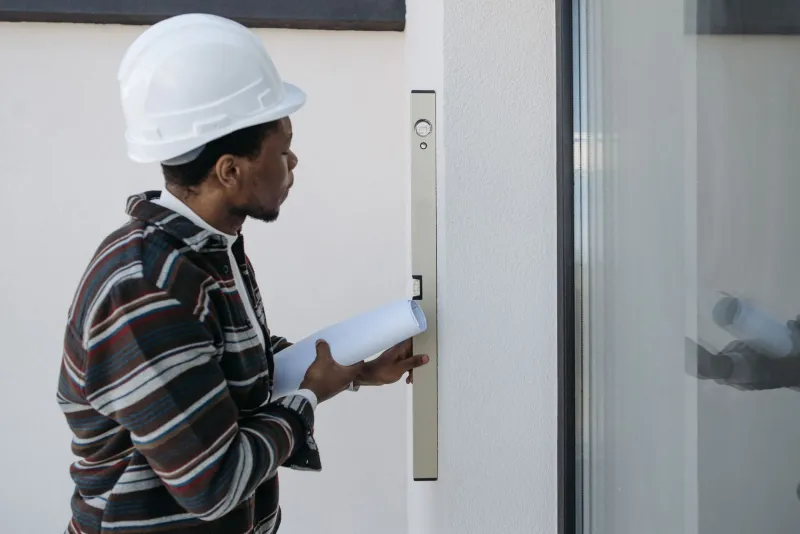
- Laser level: Eliminates the time cost of traditional leveling on every tiling, shelving, or framing job. Pays for itself on the second use.
- Impact driver (not just a drill): A quality cordless impact driver is the workhorse of finish work. Don't cheap out here.
- Good clamps: Underrated. Cheap clamps slip, mar surfaces, and cost you more in rework than you saved buying them.
Not worth the premium for most projects:
- Top-of-the-line oscillating multi-tool: A mid-range version handles 95% of what contractors need. The premium models are primarily for volume professional use.
- Smart level apps and Bluetooth-connected measuring tools: Useful in theory, often frustrating in practice. A good traditional level and a reliable tape measure outperform them on most job sites.
- Specialty tile saws for one-off jobs: Rent, don't buy, unless you're doing tile work weekly.
Cutting Waste Without Cutting Corners
Waste is the silent margin killer. A few systems that experienced contractors swear by:
The cut list before anything else. Before the first piece of lumber is touched, a complete cut list should exist. This sounds obvious — it isn't practiced nearly as often as it should be.
Offcut inventory. Keep a labeled bin of offcuts by material type. On a longer project, you'll be surprised how often a saved piece prevents a new purchase.
Supplier return policies. Know them before you buy. Some materials can be returned if unopened. Buying slightly more than you need and returning the excess is smarter than running short and paying emergency pricing for a small quantity.
Material takeoff software. Even free or low-cost options can dramatically improve estimate accuracy. The time investment in learning one is returned quickly.
The Bottom Line
Budget discipline in construction isn't about being cheap. It's about being precise — knowing where quality matters, where it doesn't, and building systems that keep both waste and surprises to a minimum. The contractors who build that discipline into their process don't just protect their margins. They build reputations for reliability that bring clients back and generate referrals.
Every nail, every board, every dollar has a job to do. Make sure it's doing it.