Buy Smart, Build More: How Timing Your Material Purchases Around the Calendar Can Keep Thousands in Your Pocket
Here's something most first-time contractors and enthusiastic DIYers don't realize until they've already paid the price: the same box of screws, the same stack of lumber, the same power drill can cost meaningfully different amounts depending on when you buy it. Not because of inflation or luck — but because supply chains breathe in seasons, just like everything else.
At Shree Ram Hardware, we talk to builders every single day. The ones who consistently come in under budget? They almost never overpay for materials. Not because they're cutting corners — they're buying the same quality goods as everyone else. They're just buying them at the right time of year.
Let's break down how this actually works, and what you can do about it.
Why Material Prices Swing With the Seasons
Construction activity in the US follows a pretty predictable rhythm. Spring kicks things off — homeowners shake off the winter, contractors get booked solid, and everyone suddenly needs materials at the same time. That surge in demand runs straight through summer, which is peak building season in most of the country.
When demand spikes, prices follow. Lumber yards, distributors, and retailers respond to tighter inventory by raising prices. It's not a conspiracy — it's basic economics. The same forces that make airline tickets more expensive over Thanksgiving make a sheet of OSB cost more in May than it does in December.
Then winter hits. Project volume drops. Inventory piles up. Suppliers who were turning away orders in July are suddenly eager to move product. That's your window.
Lumber: The Most Volatile Material on the Calendar
If you've been paying attention to lumber prices over the past few years, you already know they can swing wildly. But even setting aside the pandemic-era chaos, lumber follows a seasonal pattern that's been consistent for decades.
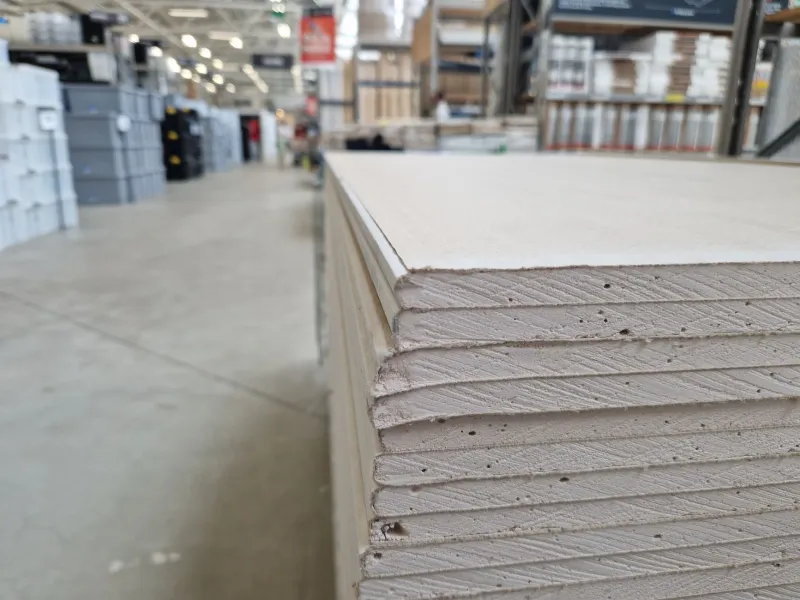
Prices typically climb from February through June as contractors ramp up framing projects. The peak usually lands somewhere in late spring or early summer. By October, demand cools and prices begin to ease. November through January is historically when you'll find the most favorable pricing on dimensional lumber, plywood, and sheet goods.
If you've got the storage space and a project coming up in spring, buying your framing lumber in November or December can shave 15–25% off your material costs depending on the market. That's not chump change on a mid-size addition or deck build.
Fasteners, Hardware, and the Overlooked Savings Hiding in the Small Stuff
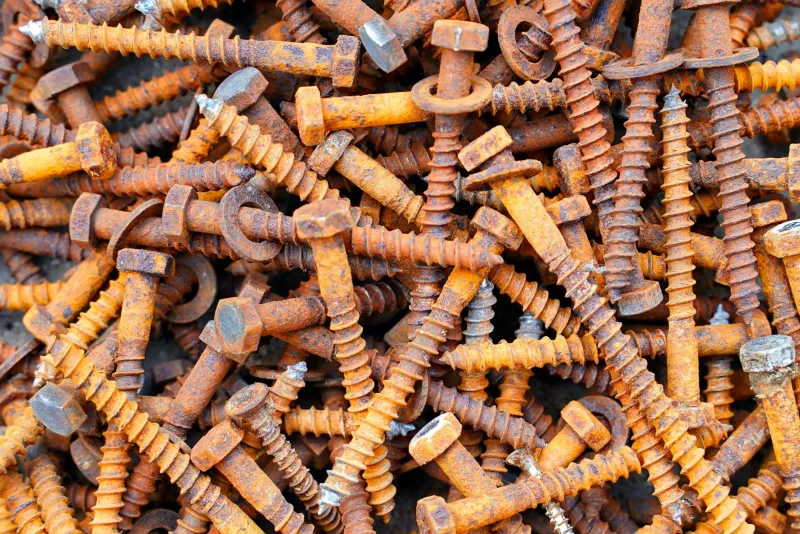
Fasteners don't get as much attention as lumber, but the savings can add up fast — especially for contractors buying in bulk. Nails, screws, anchors, bolts — these items follow a similar demand curve, though the swings are usually less dramatic than lumber.
What does shift significantly is availability and promotions. Suppliers clear inventory in the off-season, which means you're more likely to find volume discounts and clearance pricing on fastener stock between November and February. Stocking up on your most-used sizes during this window means you're not paying a premium come April when everyone else is scrambling.
There's also a quality argument here. When you're buying in a rush mid-project, you take what's available. When you're buying off-season with no deadline pressure, you can be more deliberate — compare grades, choose better coatings, grab the galvanized or stainless options you'd normally skip to save time.
Tools: Timing Around Retail Cycles, Not Construction Cycles
Tools follow a slightly different calendar than raw materials. Rather than tracking construction demand, you're tracking retail cycles — and that means different windows.
The best times to buy tools are:
- Late November through December: Black Friday and holiday sales move significant tool inventory. Brands and retailers discount aggressively to capture gift-buying traffic, and the deals are real.
- January: Post-holiday clearance. Retailers need to move overstock fast, and markdowns on tools can be substantial.
- Late summer (August–September): Many tool manufacturers release new models in the fall, which means the previous generation gets discounted to make room.
If you're building out your shop or adding to your professional kit, patience pays. Waiting two or three months to buy a tool you don't urgently need can mean 20–30% savings with no sacrifice in quality.
A Practical Buying Calendar for Builders
Here's a rough framework to guide your purchasing decisions throughout the year:
January – February Best window for tools (post-holiday clearance) and stocking up on fasteners. Lumber prices are near seasonal lows. If you're planning a spring project, this is the time to pre-buy materials.
March – April Prices start climbing. Prioritize locking in any remaining material purchases before the spring rush hits full stride. Focus on getting quotes and committing to orders early.
May – August Peak season. Expect to pay peak prices. Minimize speculative buying — only purchase what you need for active projects. Focus your energy on the work, not the supply chain.
September – October Demand starts easing. Watch for end-of-season sales on outdoor project materials — decking, fencing, landscaping supplies. Contractors finishing summer projects are offloading surplus.
November – December The sweet spot for lumber and sheet goods. Tool deals are everywhere. If you have storage, this is when to bulk up on materials for next year's pipeline.
What You Need to Make This Strategy Work
Timing your purchases is only half the equation. The other half is logistics.
Storage: Off-season buying only works if you have somewhere to put materials. Lumber needs to be kept dry and properly stacked. Fasteners and hardware are easier — they pack small and store well.
Cash flow: Buying ahead requires capital. If you're a contractor, this might mean adjusting how you invoice or building a materials reserve. If you're a DIYer, it means thinking a season ahead rather than project-to-project.
Relationships: Knowing your local hardware supplier matters. When you're a regular customer, you're more likely to hear about incoming price breaks, overstocked inventory, or volume deal opportunities before they're advertised widely.
The Bottom Line
Building is expensive. There's no way around that. But a lot of the cost is fixed — labor, permits, design. Materials, though? Materials have flexibility built in, if you know where to look for it.
The calendar is one of the most underused tools in a builder's kit. Whether you're a weekend DIYer planning a deck addition or a contractor managing multiple projects across the year, building a habit of buying materials at the right time — not just the right price — is one of the smartest moves you can make.
At Shree Ram Hardware, we stock year-round and we're always happy to help you think through what to buy now versus what to wait on. Come talk to us — we'd rather help you save money than watch you overspend.