Dumpster Money: How Contractors and DIYers Are Finding Thousands in Materials They Almost Threw Away
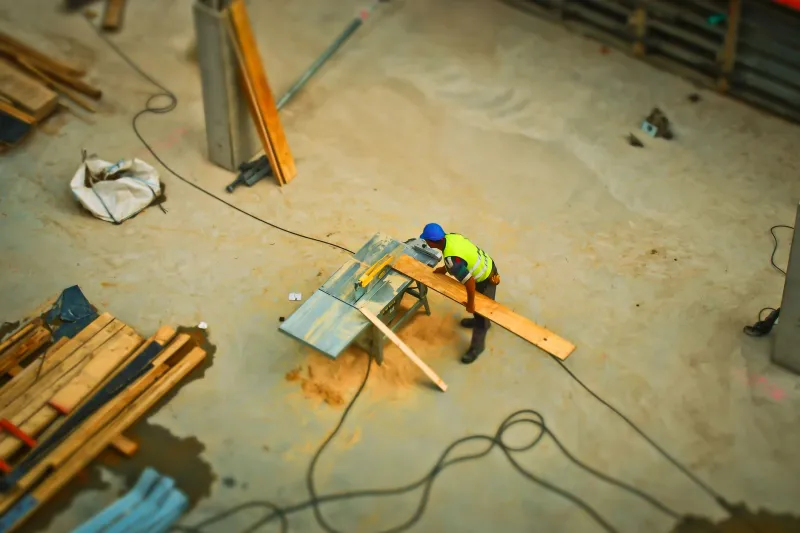
Here's an uncomfortable truth about the construction trade: a significant chunk of profit walks right off the job site in a dumpster. Lumber offcuts, surplus fasteners, intact tiles, copper fittings, salvaged fixtures — materials that cost real money to purchase get tossed every single day because sorting through the scrap pile feels like low-priority work.
But for contractors running tight margins and DIYers trying to stretch a renovation budget, that pile deserves a second look before the roll-off truck shows up. What looks like job site debris often contains a surprising amount of recoverable value. The question isn't whether your scrap pile has money in it — it almost certainly does. The question is whether you have a system to find it.
Why the Scrap Pile Gets Ignored (And Why That's Costing You)
End-of-project cleanup is exhausting. When you're wrapping up a renovation or finishing a build, the last thing anyone wants to do is sort through leftover material. The dumpster is right there. Everything goes in, and the site is clean in an afternoon.
The problem is that this habit compounds over time. A contractor running six to eight projects a year might be throwing away $3,000 to $5,000 in salvageable material annually without ever tracking it. For a small operation working on 15% margins, that's not a rounding error — that's a real hit.
DIYers aren't immune either. A bathroom remodel tearout might yield cast iron pipe, solid hardwood trim, and vintage hardware that resale shops and architectural salvage dealers will pay cash for. Instead, it gets buried under drywall scraps and old insulation because sorting it out feels like too much trouble.
The fix isn't complicated. It just requires building a quick audit habit before anything hits the dumpster.
What to Actually Look For: A Material-by-Material Breakdown
Dimensional lumber and sheet goods are often the biggest missed opportunity. Framing offcuts longer than 18 inches, full or near-full sheets of plywood, and any treated lumber are all worth pulling. Clean 2x4s and 2x6s can be sold through Facebook Marketplace, donated to Habitat for Humanity ReStores (which gives you a tax receipt), or stockpiled for your own future projects. Even short offcuts work for blocking, jigs, and shop fixtures.
Copper and metal is where real money lives. Scrap copper pipe and fittings, aluminum flashing, and steel are all accepted at metal recycling yards for cash. Copper especially — prices fluctuate, but you're consistently looking at $2 to $4 per pound at most scrap facilities. A bathroom gut-out with copper supply lines can yield 20 to 30 pounds without trying hard.
Tile and stone is frequently overlooked because people assume partial boxes are worthless. They're not. Specialty tile, natural stone, and handmade ceramic pieces have an active resale market through architectural salvage shops and platforms like Craigslist, OfferUp, and even Etsy. If the tile is in good shape and the pattern is distinctive, there are buyers out there — especially for vintage or discontinued styles that homeowners need to patch existing floors.
Fixtures and hardware from tearouts deserve their own category. A solid brass door handle set, cast iron hinges, vintage light fixtures, or a functioning faucet can sell quickly. Architectural salvage stores in most mid-size American cities actively buy this stuff. Even if the fixture is dated, the materials have value. Solid brass alone is worth stripping and selling as scrap if the fixture won't move as a whole.
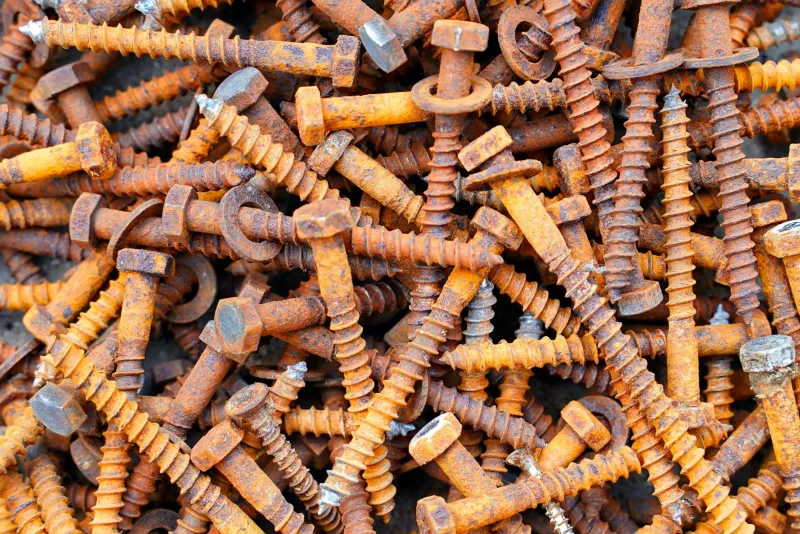
Fasteners and consumables seem too small to bother with, but partially used boxes of screws, nails, and anchors add up. Keep a dedicated bin on your truck or in your shop and consolidate partial boxes by type. You'd be surprised how fast you rebuild a usable supply from job site leftovers.
Building a Simple Audit System That Actually Gets Used
The reason most contractors don't do this isn't laziness — it's the absence of a system. When you're breaking down a site, you need a fast, low-friction process or it won't happen consistently.
Try a three-bin approach during tearout and cleanup:
- Bin 1: Resale or donate. Intact fixtures, tile, lumber in usable lengths, and specialty materials.
- Bin 2: Scrap metal. Copper, aluminum, steel — anything that goes to the recycling yard.
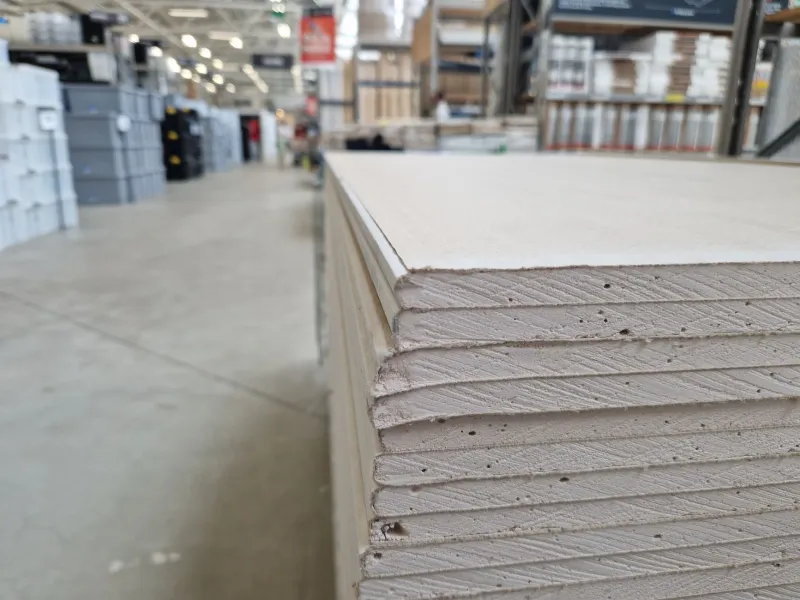
- Bin 3: Actual trash. Drywall, insulation scraps, contaminated material, broken items with no secondary use.
If you're doing a tearout, brief your crew on the system before demo starts. A few minutes of explanation at the start of the day can save hours of sorting later — and it changes the mindset from "get it out fast" to "get it out smart."
For storage between jobs, basic organization goes a long way. Label bins and shelves. Keep lumber sorted by length. Store tile samples in labeled boxes. The easier it is to know what you have, the more likely you are to use it or sell it instead of buying new.
The Secondary Market Is Bigger Than You Think
The used building materials market in the US has grown significantly over the past decade, driven by both sustainability awareness and plain economics. Here's where the actual buyers are:
Habitat for Humanity ReStores accept a wide range of new and gently used building materials, appliances, and furniture. Donations are tax-deductible, and they'll sometimes do pickups for larger loads.
Architectural salvage dealers exist in most metro areas and specialize in vintage and high-quality materials. A quick Google search for "architectural salvage [your city]" will surface local options.
Facebook Marketplace and OfferUp move materials fast, especially lumber and tile. Listings with clear photos and accurate dimensions sell within days in most markets.
Local contractor networks and supply swaps are underutilized. If you're connected with other tradespeople in your area, a quick message in a group chat can find a home for materials that would otherwise get tossed.
Craigslist is old-school but still effective, particularly for bulk lots of materials that salvage dealers might not want to deal with in small quantities.
The Environmental Case Is the Financial Case
Construction and demolition debris accounts for a massive share of what ends up in American landfills — estimates put it around 600 million tons per year nationally. A portion of that is genuinely unrecoverable. But a significant chunk is material that could have had a second life.
For builders who care about their environmental footprint, waste auditing is a direct, tangible action — not a vague commitment. And the fact that it saves money makes it one of the easiest sustainability habits to actually stick with. You're not sacrificing anything. You're recovering value that was already yours.
At Shree Ram Hardware, we talk a lot about building smart — using the right materials, buying at the right time, and making every dollar work harder on the job. The scrap pile audit fits squarely in that philosophy. The materials you're about to throw away already cost you money once. Getting something back for them isn't extra work. It's just finishing the job.