Built by Hand, Built to Last: The Tool Wisdom Immigrant Contractors Bring to American Jobsites
Rajesh Patel didn't learn to lay tile in a trade school. He learned on the roof of his grandfather's house in Gujarat, India, at the age of twelve, mixing mortar by hand in the summer heat while his uncle talked him through the logic of load distribution and drainage slope. By the time he moved to New Jersey in his late twenties, he'd already built more structures than most American contractors see in a decade.
"When I got here, people kept asking where I was trained," Rajesh says, laughing. "I'd say, 'On the job, since I was a kid.' They didn't always know what to do with that answer."
Today, Rajesh runs a successful general contracting business outside of Edison, New Jersey, specializing in home additions and basement finishing. His crews are known for precision, efficiency, and a kind of quiet problem-solving instinct that his clients have come to rely on. He's not an anomaly. Across the United States, first-generation immigrant contractors are building some of the most thoughtful, durable, and cost-effective work in the industry — and bringing a toolkit of knowledge that American construction is only beginning to fully appreciate.
The School of Necessity
In many parts of the world, building isn't a profession you enter after certification — it's a survival skill passed down through families and communities. Contractors who grew up in India, Mexico, the Philippines, West Africa, or Eastern Europe often learned construction in environments where materials were expensive, waste was unacceptable, and improvisation was a core competency.
That background produces a particular kind of builder: someone who understands why a technique works, not just how to execute it by the book. Someone who can look at a material and understand its behavior across different conditions. Someone who, when the right tool isn't available, knows how to adapt without compromising the result.
"Back home, you didn't throw away a bent nail," says Amara Diallo, a Senegalese-American contractor based in Atlanta who specializes in masonry and stonework. "You straightened it. You found a use for it. That mindset — of not wasting anything — it changes how you approach every part of a job."
What They Know About Tools That Others Don't
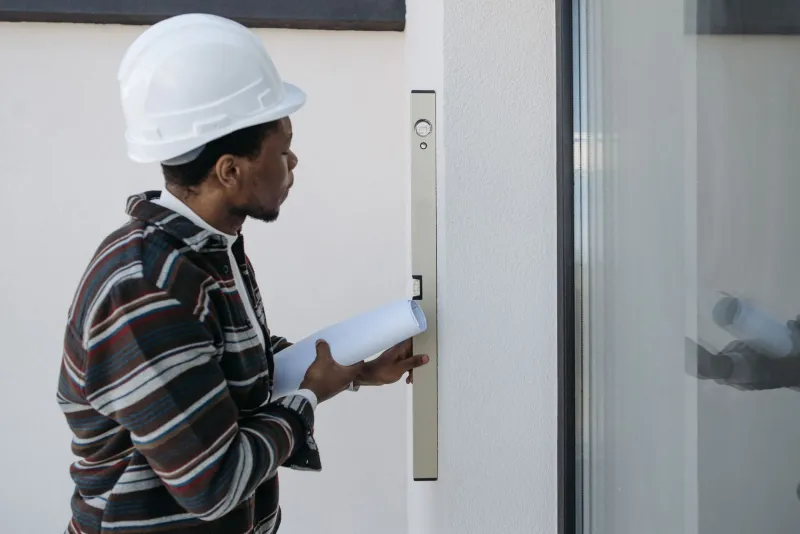
Spend an afternoon on a jobsite run by an experienced immigrant contractor and you'll notice a few things pretty quickly. Tools are maintained obsessively. Blades are sharp. Levels are checked constantly. And there's a preference for versatility over specialization — multi-use tools get priority over single-purpose gadgets.
This isn't stubbornness or old-fashioned thinking. It's a philosophy rooted in real-world performance. Here's what some of these contractors swear by:
Hand tools aren't backup — they're primary. Many immigrant contractors maintain a deep respect for hand tools in an industry increasingly dominated by cordless power tools. A well-maintained hand saw, a quality chisel set, and a reliable spirit level are treated as essential daily drivers, not dusty backups. The reasoning is practical: hand tools don't run out of battery, they're quieter in residential areas, and they often produce cleaner results in tight spaces.
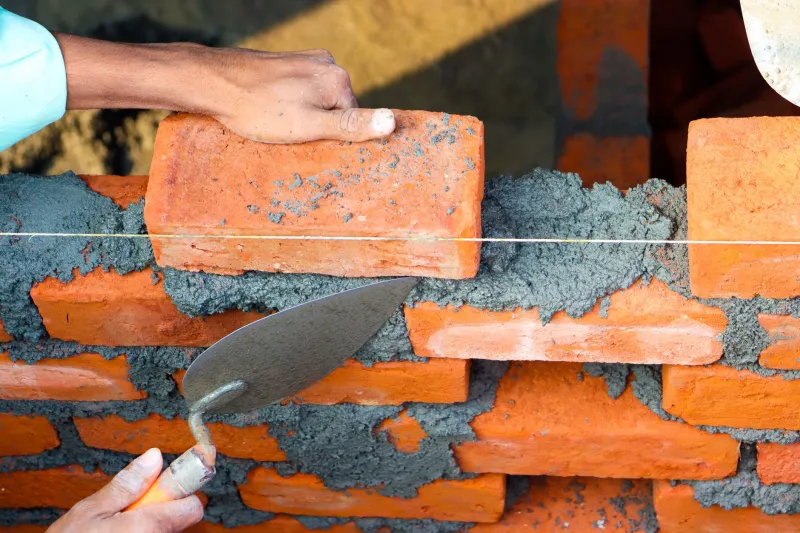
The mixing paddle is underrated. Contractors from regions where site-mixed concrete and mortar are standard practice tend to have a far more refined sense of material consistency than those who've always worked with pre-mixed products. A quality mixing paddle and a five-gallon bucket can produce results that many pre-mixed products simply can't match for adhesion and longevity.
Measure twice, cut once — then measure again. This sounds like a cliché, but in practice, contractors trained in environments where material waste carries real financial consequences develop a measurement discipline that borders on ritualistic. The result is less scrap, fewer errors, and tighter fits.
Know your fasteners. Rajesh keeps a meticulously organized fastener collection that would make an engineer smile — sorted by material, length, thread type, and application. "The right fastener for the right material," he says. "That's not a small thing. That's the difference between a joint that holds for thirty years and one that fails in five."
Shree Ram Hardware as a Bridge
For many immigrant contractors in the US, finding a hardware retailer that actually understands their approach to building has historically been a challenge. Big-box stores are stocked for the American mainstream — which is great for a lot of applications, but can leave gaps for contractors who work with different material traditions or need specific products that don't move fast enough for national chain buyers to stock.
That's part of what makes community-rooted retailers like Shree Ram Hardware genuinely valuable. The store stocks products and materials that reflect a broader range of building traditions — including items that contractors from South Asian backgrounds recognize from their training and trust from experience. More importantly, the staff speak the language of the trade in ways that go beyond brand names and SKU numbers.
"When I walk in there and describe what I'm trying to do, they actually know what I mean," says Priya Nair, a Kerala-born contractor in the Houston area who focuses on custom kitchen renovations. "That doesn't happen everywhere. At a lot of stores, I spend more time explaining myself than actually solving my problem."
Money-Saving Techniques Worth Borrowing
Beyond tools and materials, the resourcefulness that immigrant contractors bring to American jobsites has real financial implications — for their own businesses and for their clients. A few techniques worth adopting:
- Buy materials in stages, not all at once. Purchasing only what's needed for the current phase reduces storage risk, limits waste from measurement errors, and keeps cash flow healthier.
- Invest in quality for high-wear items. Cutting-wheel blades, drill bits, and sandpaper are not places to save money. Cheap consumables cost more in the long run through slower work and more frequent replacement.
- Maintain your tools like they owe you money. Blade sharpening, lubricating moving parts, and proper storage extend tool life dramatically. Rajesh estimates he saves thousands of dollars a year simply by maintaining equipment that other contractors would have replaced.
- Build supplier relationships before you need them. Knowing your hardware store — and being known there — means faster access to hard-to-find items, honest advice about substitutions, and the occasional heads-up about incoming stock.
The Future Is Already Being Built
American construction is in a fascinating moment. Labor shortages, rising material costs, and shifting housing demands are creating pressure for the industry to evolve. The contractors best positioned to thrive in that environment are the ones who combine modern techniques with deep foundational knowledge — exactly the blend that many first-generation immigrant builders already carry.
Their story isn't just one of hard work and sacrifice, though there's plenty of that too. It's a story about what happens when you take a lifetime of hands-on building wisdom and apply it to the richest construction market in the world. The results are houses that stand straighter, joints that hold longer, and projects that come in on budget because nothing is wasted.
At Shree Ram Hardware, we're proud to serve the builders who bring that knowledge to American neighborhoods every day. Whether you're a weekend DIYer or a seasoned pro, you'll find the tools, materials, and expertise here to build something that lasts.
Every nail. Every dream.