Inches vs. Centimeters on the Jobsite: The Quiet Revolution Changing How American Contractors Work

Photo by Photo by Marek Studzinski on Unsplash on Unsplash
Ask most American contractors about metric measurements and you'll get a good-natured eye roll. We've been doing this in feet and inches since before anyone can remember, and honestly, it works. But spend enough time on modern jobsites — especially in cities with diverse crews, international supply chains, and imported materials — and you'll start noticing something. Metric isn't just for science class anymore. It's showing up in spec sheets, hardware packaging, and the muscle memory of some of the most skilled tradespeople in the country.
This isn't a government mandate. Nobody's forcing anyone's hand. It's something quieter and, frankly, more interesting: the market is pushing American contractors toward fluency in both systems, and the ones who've adapted are finding real advantages.
Where the Metric Pressure Is Actually Coming From
The short answer? Global supply chains and the people who've worked within them.
Over the past two decades, a significant portion of construction materials — fasteners, anchors, pipe fittings, hardware components — have been manufactured overseas, often to metric specifications. When those parts arrive on American soil, the packaging might show both measurements, but the underlying engineering is metric. If you're trying to match a bolt or spec out a replacement part without understanding millimeter sizing, you're guessing. And guessing on a structural connection isn't something you want to make a habit of.
Then there's the human element. Immigrant contractors — particularly those from South Asia, Eastern Europe, and Latin America — often trained in metric-first environments before arriving in the US. Many of them bring an almost effortless fluency in both systems. Working alongside these tradespeople has quietly cross-pollinated jobsite culture. When your tile setter is measuring in millimeters because that's how the imported ceramic was spec'd, and the results are consistently tighter and cleaner, you pay attention.
The Real Headaches (Let's Not Pretend There Aren't Any)
Switching between systems mid-project is genuinely annoying. There's no sugarcoating it. You're reading a blueprint in feet and inches, then cross-referencing a fastener spec sheet in millimeters, then trying to explain both to an apprentice who learned one system in school and is encountering the other for the first time on your crew.
Mistakes happen. A 3/8-inch bolt and a 10mm bolt look nearly identical — close enough to make a grab-and-go mistake that can cost you time, material, and occasionally structural integrity. Converting on the fly is mentally taxing, especially when you're also managing a crew, watching a deadline, and dealing with a subcontractor who's running two hours late.
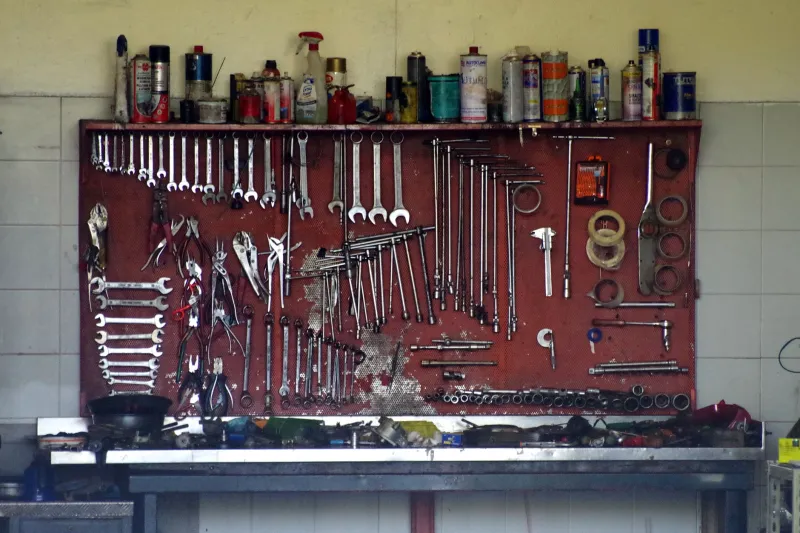
The other headache is tooling. Most American tape measures are imperial-primary. Your framing square, your drill bit set, your torque specs — all calibrated to the system you grew up with. Buying dual-measurement tools costs money upfront, even if it saves confusion downstream.
Conversion Shortcuts That Actually Stick
Here's the thing about metric-to-imperial conversion: the math isn't hard once you anchor a few key numbers in your brain and stop trying to remember everything.
The ones worth memorizing:
- 1 inch = 25.4 millimeters. Round it to 25 for quick mental math — close enough for most rough work.
- 1 foot = roughly 30 centimeters (30.48 to be exact). For layout work, this gets you in the ballpark fast.
- 1 meter = about 39.37 inches, or just over 3 feet 3 inches. Think of it as "a yard plus a hand's width."
- For fasteners: 6mm ≈ 1/4 inch, 8mm ≈ 5/16 inch, 10mm ≈ 3/8 inch, 12mm ≈ 1/2 inch.
Write those fastener equivalents on a piece of tape and stick it inside your toolbox lid. Seriously. After a few weeks of referencing it, it becomes automatic.
There are also dual-unit tape measures on the market now — imperial on one side, metric on the other — that cost maybe $15 more than a standard tape. If you're working regularly with imported materials or international spec sheets, that's a no-brainer investment.
Contractors Who've Made the Switch: What They're Saying
Talk to contractors who've gone fully bilingual in both systems, and a consistent theme emerges: precision.
Metric is a base-10 system. That means calculations stack cleanly — no converting fractions to decimals, no hunting for the 11/32-inch drill bit because the fraction math got weird. Contractors working in finish carpentry, tile installation, and cabinetry especially notice the difference. When your tolerances are measured in fractions of a millimeter, working in a system that divides cleanly into tens just removes cognitive friction.
One remodeling contractor who split his career between projects in the US and Canada described the shift as "finally getting to do math with a calculator instead of an abacus." His crew now uses metric for all layout work on interior finishes and only converts to imperial when they're pulling permits or communicating with inspectors. The result, he says, is fewer measuring errors and faster layout on complex tile and trim work.
Efficiency gains are real, even if they're modest at first. Less recalculating. Fewer head-scratching moments with imported hardware. Cleaner communication with manufacturers who spec in metric.
What This Means for Your Toolbox Right Now
You don't need to overhaul everything. But a few strategic additions make a real difference if metric is creeping into your work:
- A dual-unit tape measure — worth every penny if you work with imported materials
- A metric/SAE combination wrench and socket set — most sets include both, but if yours doesn't, it's time to upgrade
- A digital caliper — reads in both units instantly, invaluable for matching fastener specs
- A conversion reference card — laminated, in your toolbox, until the numbers live in your head
At Shree Ram Hardware, we stock tools and fasteners in both measurement systems because that's the reality of the modern American jobsite. Whether you're sourcing a replacement anchor for an imported fixture or spec'ing out a full framing project in imperial, having the right hardware in the right size matters more than which system it's measured in.
The Bottom Line
America isn't going fully metric anytime soon — that's a safe prediction. But the contractors who treat both systems as tools rather than threats are the ones adapting fastest to an increasingly global supply chain. Metric fluency isn't about abandoning what works. It's about adding range. The best tradespeople on modern jobsites aren't loyal to a measurement system. They're loyal to accuracy. That's the only number that really counts.