Old Bones, New Life: How Modern Materials Are Making Century-Old Buildings Worth Saving Again
Photo: Marcin Konsek, CC BY-SA 4.0, via Wikimedia Commons
Stand in front of a 1910 brick row house in Cleveland, a 1920s craftsman bungalow in Detroit, or a pre-war commercial building in Pittsburgh, and you're looking at a story. Decades of weather, deferred maintenance, and economic decline have left their marks — peeling paint, rusted hardware, crumbling mortar, rotted window frames. For years, the conventional wisdom said tear it down. Start fresh. It's cheaper.
That conventional wisdom is starting to crack, and the material science behind it is doing the cracking.
A new generation of construction materials — engineered specifically for harsh conditions, long service life, and compatibility with historic structures — is quietly changing the math on renovation. And in cities that spent a generation watching their architectural heritage decay, homeowners and contractors are paying attention.
Why Old Buildings Failed — And Why That's Changing
To understand why modern materials are making a difference, it helps to understand why so many historic buildings deteriorated in the first place.
The short version: the original hardware failed, and nobody replaced it with anything better.
Early-twentieth-century construction used iron and basic steel fasteners, lead-based paints, and sealants that simply weren't designed to last 100 years in a freeze-thaw climate. When those materials degraded — and they did, reliably — moisture got in. Moisture is the enemy of everything: wood, masonry, metal, insulation. Once water finds a path, it keeps going. A rusted fastener doesn't just fail; it expands as it corrodes, cracking the surrounding masonry or wood. A failed sealant joint becomes a moisture highway. Multiply that across a whole building, decade after decade, and you get the structural deterioration that made renovation look economically hopeless.
The problem wasn't the bones of these buildings — many of which are genuinely superior to modern stick-frame construction. Old-growth timber framing is denser and more dimensionally stable than anything you'll find at a lumber yard today. Brick from that era was fired harder and often more durable than modern equivalents. The problem was the connective tissue: the fasteners, the sealants, the flashing, the hardware holding everything together.
Fix the connective tissue with materials that actually last, and those old bones start looking very different.
The Materials That Are Changing the Equation
Corrosion-Resistant Fasteners
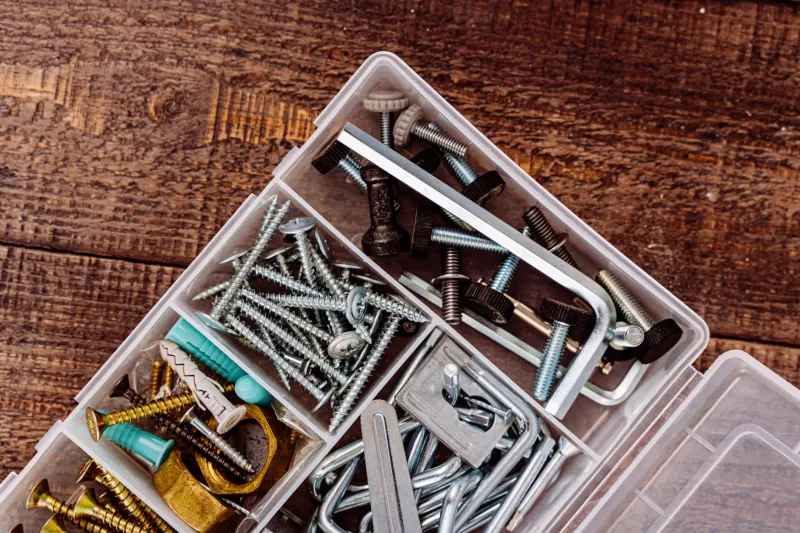
This is where the biggest practical shift is happening for DIY renovators and professional contractors alike. Hot-dip galvanized fasteners have been around for a while, but the newer generation of stainless steel and ceramic-coated screws and anchors represents a meaningful step up — especially for exterior applications and masonry work where moisture exposure is constant.
For historic masonry restoration specifically, stainless steel masonry anchors have become something close to a standard. They don't expand as they corrode (because they don't corrode), which means they won't crack the surrounding brick the way iron fasteners did. That single change — swapping corroding iron anchors for stainless — can extend the service life of a masonry repair from a decade to several decades.
For wood-framed historic structures, coated deck screws and structural connectors rated for treated lumber have similarly extended the life of repairs. The coating chemistry has improved dramatically; today's coatings bond at a molecular level rather than just sitting on the surface of the fastener.
Advanced Sealants and Waterproofing
Polyurethane and silicone hybrid sealants have largely replaced the old oil-based caulks that dried out, cracked, and failed within a few years. Modern sealants remain flexible across temperature extremes — critical in Rust Belt climates where a building might see a 100-degree swing between summer and winter. They also bond to masonry, wood, and metal without primer in most applications, which cuts labor time significantly.
For below-grade waterproofing in old stone and brick foundations — a perennial nightmare in historic homes — crystalline waterproofing compounds have opened up options that simply didn't exist twenty years ago. These products don't just coat the surface; they penetrate the masonry and react with moisture to form crystals that block water migration from the inside. For a 1920s basement with a stone foundation, that's the difference between a dry usable space and a damp unusable one.
Structural Epoxy Systems
Old timber beams with localized rot damage used to mean one thing: replacement. Today, structural epoxy consolidants and fillers allow contractors to stabilize and rebuild deteriorated wood without removing the original material. The epoxy bonds to the remaining sound wood, restores structural integrity, and can be shaped to match the original profile. For historic preservation projects where maintaining original materials matters — either for authenticity or for permit reasons — this is genuinely transformative.
Real Projects, Real Numbers
In Detroit's Woodbridge neighborhood, a DIY homeowner tackled a 1908 craftsman that had been vacant for six years. The original plan was to gut the exterior trim and replace it. After consulting with a local preservation contractor, she instead used epoxy consolidant on the deteriorated sections, replaced fasteners with stainless steel ring-shank nails, and sealed all penetrations with a polyurethane-silicone hybrid caulk. Total material cost for the exterior work: roughly $800. Comparable replacement trim in period-appropriate profiles would have run $4,000 to $6,000, plus the labor of matching original millwork details.
In Cleveland's Ohio City neighborhood, a contractor specializing in historic commercial renovation switched his standard fastener spec to hot-dip galvanized and stainless for all exterior applications three years ago. His callback rate for moisture-related fastener failures dropped to near zero. "I was spending real money going back to fix things that should have been done right the first time," he said. "Better hardware upfront is just cheaper in the long run."
What This Means If You're Eyeing an Old House
If you're looking at a Rust Belt fixer-upper — or already own one — the practical takeaway is this: the building's condition is less important than the type of deterioration you're dealing with.
Structural failures caused by long-term moisture intrusion from failed fasteners and sealants are often more repairable than they look, if you address the root cause with materials that won't fail the same way. Before you assume a repair is cost-prohibitive, get specific about what actually failed and why.
A few questions worth asking before any historic renovation project:
- What are the existing fasteners made of, and are they corroding?
- Where is moisture getting in, and what's the current sealant condition?
- Is wood deterioration localized (repairable with epoxy) or systemic (replacement territory)?
- Are masonry anchors cracking surrounding brick?
At Shree Ram Hardware, we carry the full range of materials that make these projects work — from stainless masonry anchors to structural epoxy systems to the heavy-duty sealants that keep old buildings dry. We've helped DIY homeowners and preservation contractors alike figure out what they actually need for the job in front of them, not just what sounds good on a spec sheet.
Saving What's Worth Saving
There's something worth acknowledging here beyond the economics. These buildings represent craft. The millwork, the brick detailing, the timber framing — most of it can't be replicated at any reasonable cost today. Saving it matters, not just as a financial calculation, but as a connection to the way things were built when built to last actually meant something.
The good news is that the materials to do it right are better than they've ever been. The math is finally starting to work. And in cities that have been watching their architectural heritage slowly disappear for decades, that's genuinely worth getting excited about.