Spend Where It Hurts, Save Where It Doesn't: The Contractor's Secret to Smarter Fastener Budgets
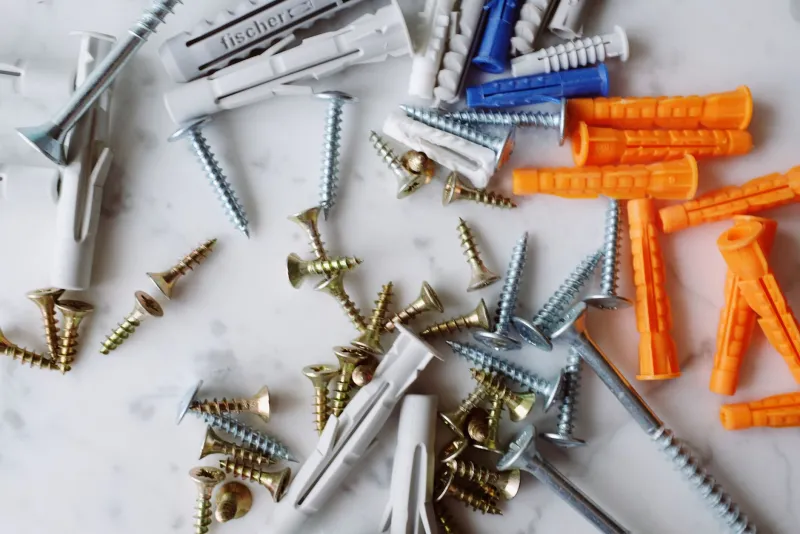
Walk into any serious contractor's truck and dig around in their fastener bins. You'll find something that surprises most people: the connectors nobody ever sees are almost always the most expensive ones in the box. Meanwhile, the decorative hardware visible to every guest who walks through the front door? Sometimes it's mid-grade stuff at best.
That's not an accident. It's a philosophy—and once you understand the logic behind it, you'll start making smarter calls on every project you tackle, whether you're framing a deck or hanging cabinet hardware in your kitchen.
The Two Worlds of Fasteners
Here's a distinction that most casual builders never really think about: there are fasteners that hold structures together under load, and there are fasteners that hold things in place or look good doing it. These are fundamentally different jobs, and they demand fundamentally different products.
Load-bearing connectors—think joist hangers, structural screws, hurricane ties, post bases—exist in a world governed by engineering specifications, shear ratings, and building codes. When one of these fails, the consequences aren't cosmetic. We're talking about decks that collapse, roofs that shift, or floors that bounce in ways they absolutely shouldn't. The fastener itself might cost a dollar or two more per unit, but it's carrying real responsibility.
Decorative hardware—cabinet pulls, door hinges on interior doors, light-duty shelf brackets—lives in a different universe. These pieces experience minimal stress. A cabinet pull that costs $0.40 per screw will hold a drawer face just as reliably as one that costs $1.20, assuming the application is appropriate. The difference is largely aesthetic.
Professional builders have internalized this split. DIYers often haven't—and that gap shows up directly in their budgets and, sometimes, in their callbacks.
Where DIYers Get It Backwards
Here's the irony: a lot of DIY projects get the spending priority exactly reversed. Someone will drop serious money on decorative hinge sets for an interior bedroom door—a door that experiences almost no structural load—and then reach for the cheapest available screws when they're attaching a ledger board to their house for a new deck.
That ledger board connection? It's one of the most critical structural joints in residential deck construction. The International Residential Code has specific fastener requirements for it. Using undersized or incorrect fasteners there isn't just a budget mistake—it can be a safety issue that a home inspector or insurance adjuster will flag immediately.
The decorative hinges, meanwhile, could have been solid mid-range hardware and nobody would have known the difference six months later.
This isn't meant to shame anyone. It's genuinely intuitive to spend more on what you can see. But once you start thinking like a contractor, you realize that visibility and importance are two completely different metrics.
What Structural Fasteners Actually Cost You (And Why It's Worth It)
Let's put some real numbers on this. A standard deck project might use around 200–300 joist hanger screws. The difference between a code-compliant structural screw and a generic all-purpose screw might be $15–$25 total for that quantity. Over the life of a deck that's expected to last 20–30 years, that delta is essentially meaningless.
But the performance gap is not meaningless. Structural screws are engineered with specific shear and withdrawal values—numbers that engineers actually calculate when designing load paths. A generic screw doesn't come with those ratings. It might hold fine. Or it might not. You won't know until something goes wrong.
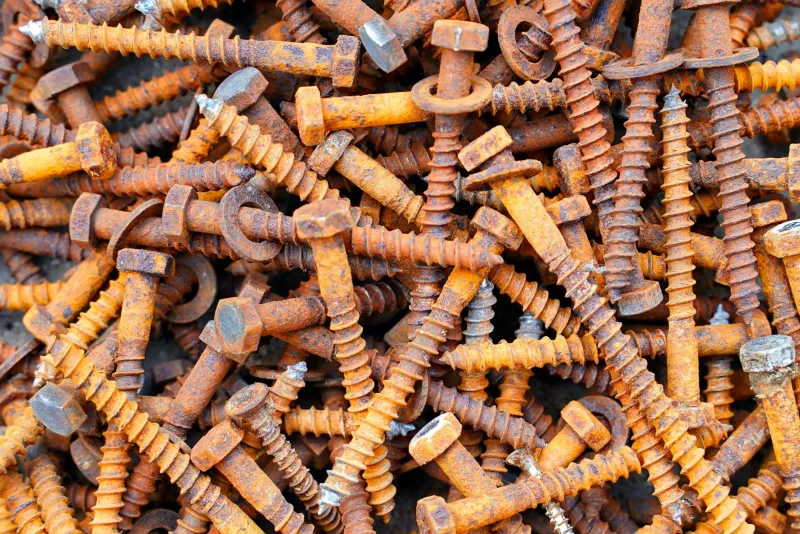
Premium fasteners in load-bearing applications also tend to offer better corrosion resistance, especially when you're working with pressure-treated lumber. The chemicals in modern PT wood—particularly ACQ (Alkaline Copper Quaternary)—are corrosive to standard zinc-plated fasteners. Using hot-dipped galvanized or stainless steel in those applications isn't an upsell. It's the correct specification.
The Grade Ladder: A Quick Breakdown
Fasteners exist on a spectrum of grades and specifications. Here's a rough map of how to think about them:
Structural/High-Load Applications This is where you spend real money. Look for fasteners with published load ratings, ICC-ES reports, or specific code compliance certifications. Simpson Strong-Tie and similar brands publish full engineering data for their connectors. This category includes structural screws (like LedgerLOK or similar), lag bolts, through-bolts, and engineered metal connectors like post caps and beam hangers.
General Construction Applications Your everyday framing nails, deck screws, and construction-grade fasteners live here. These don't need to carry published structural ratings, but quality still matters. Look for proper coatings for your application, correct length and diameter for your lumber, and reputable brands that maintain consistent manufacturing tolerances.
Light-Duty and Decorative Applications This is where you can breathe a little. Interior door hinges, cabinet hardware screws, light fixture mounting, curtain rod brackets—these applications don't require premium-rated fasteners. Spend appropriately here. Save the budget for where it counts.
How to Audit Your Next Project
Before you buy a single box of screws on your next build, run through this quick mental checklist:
-
What happens if this fastener fails? If the answer involves anything structural, safety-related, or expensive to fix, upgrade the fastener.
-
Is this connection load-bearing? Any joint that transfers weight—floor to beam, deck to house, post to footing—deserves a specified fastener with documented ratings.
-
What environment will this live in? Outdoor, wet, or PT-lumber applications need corrosion-resistant fasteners. Don't cheap out here.
-
Is this primarily cosmetic? If the fastener's main job is holding something decorative in place under minimal stress, you have flexibility. Use it.
-
What does the code say? When in doubt, pull up the IRC section for your project type. Building codes often specify minimum fastener requirements for common applications. Follow them—not because an inspector might check, but because they exist for good reasons.
The Real ROI of Spending Smart
Here's what contractors understand that takes most DIYers a few painful projects to learn: the cost of a fastener failure is almost never proportional to the cost of the fastener itself. A $0.30 screw that fails in a structural application can mean tearing out work, dealing with warranty claims, or in worst cases, liability exposure.
The smarter move is to build a mental model where you're constantly asking not just "what does this cost?" but "what does it cost if this fails?" That second question changes almost every purchasing decision you'll ever make at the hardware counter.
At Shree Ram Hardware, we stock fasteners across the full spectrum—from engineered structural connectors with full ICC compliance to solid everyday hardware that doesn't need to carry an engineering report. The goal is always the same: help you put the right product in the right place, so what you build actually lasts.
Build better. Every nail, every dream—but especially the ones you'll never see again once the drywall goes up.