The Thread Pitch Secret Every Builder Should Know Before Touching a Wrench
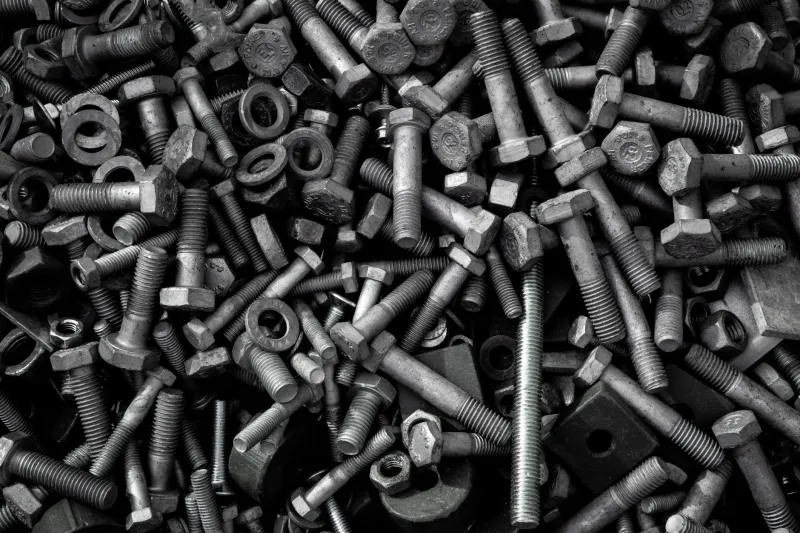
You've done everything right. You grabbed the right diameter bolt, matched the grade to the load, and torqued it down like a pro. But two weeks later, something's loose — or worse, seized — and you can't figure out why. Nine times out of ten, the culprit isn't the size. It's the pitch.
Thread pitch is one of those specs that hides in plain sight. It's printed right on the packaging, stamped on fastener charts, and discussed constantly in engineering circles — but almost nobody in the DIY world pays attention to it until something goes wrong. And by then, the damage is already done.
Let's fix that.
What Thread Pitch Actually Means
Thread pitch is the distance between threads — measured from the crest of one thread to the crest of the next. In the metric world, this is expressed in millimeters. So an M10 x 1.5 bolt has a 10mm shaft diameter and threads spaced 1.5mm apart. An M10 x 1.25 is the same diameter but with tighter, closer threads.
In the imperial world — which most American contractors still live in day to day — pitch is expressed as threads per inch (TPI). A 1/2-13 bolt has a half-inch diameter with 13 threads per inch. A 1/2-20 has the same diameter but 20 threads per inch, making it a fine-thread fastener.
Here's where people get tripped up: two bolts can look absolutely identical and still have completely incompatible threads. Try threading a metric bolt into a UNC (Unified National Coarse) hole and you'll get what feels like engagement — and then you'll strip the threads before you know what happened.
Coarse vs. Fine: It's Not Just About Preference
The coarse vs. fine distinction isn't arbitrary. Each has a job it does better.
Coarse threads (like UNC or higher metric pitches) are faster to thread in, more forgiving of dirt and minor damage, and less likely to cross-thread. They're the go-to for construction lumber connections, structural framing hardware, and anywhere you're working fast in rough conditions. Most of the bolts you'll find at a standard hardware store are coarse thread — and for good reason.
Fine threads (UNF — Unified National Fine — or lower metric pitches) create more contact surface between the bolt and the nut or tapped hole. That means better resistance to vibration loosening, more precise torque control, and stronger holding power in thinner materials. You'll find fine threads on automotive components, precision machinery, and high-load structural connections where vibration is a real concern.
Choosing fine thread for a rough framing job is overkill and can actually cause problems if debris gets into the threads. Choosing coarse thread where fine is spec'd — on an engine mount, say, or a critical HVAC bracket — can mean a connection that vibrates loose under load.
The Metric vs. Imperial Minefield
American jobsites are increasingly hybrid environments. Imported equipment, foreign-manufactured appliances, and globally sourced materials mean you're regularly mixing metric and imperial hardware — sometimes without realizing it.
A 3/8-inch bolt and an M10 bolt are close enough in diameter that they'll partially engage. But their pitches are different, and forcing one into the other is how you destroy a tapped hole in an expensive piece of equipment. A ruined thread in an aluminum housing or a cast-iron fitting can turn a $12 bolt swap into a $400 repair or a full replacement.
Seasoned contractors know this. They keep a thread pitch gauge — sometimes called a thread checker or thread identifier — in their tool bag right next to their tape measure. It's a simple tool, usually a set of combs with different thread profiles, that lets you quickly identify the pitch of any bolt or threaded hole. A few seconds with a pitch gauge can save hours of backtracking.
If you don't own one, that changes today.
Real Jobsite Stories That Prove the Point
Here's a scenario that plays out more often than contractors like to admit: a plumber is replacing a fitting on an older boiler system. The original bolts are metric — the system was manufactured overseas. He grabs what looks like an equivalent imperial bolt from his truck, threads it in, and it seems snug. The system goes back online. Three weeks later, there's a slow leak at the flange. The mismatched threads never fully seated. The gasket never had a chance.
Or consider a deck builder who's retrofitting a ledger board connection on a house built in the 1970s. The original lag screws are a coarser pitch than the modern replacements he's using. The new screws turn freely in the old pilot holes without biting properly. He torques them down, thinking they're tight — but they're not. One heavy snow load later, the ledger shifts.
These aren't hypothetical horror stories. They're the kind of callbacks that kill contractor reputations and eat into profit margins.
How to Get This Right Every Time
The solution isn't complicated — it just requires slowing down for about 60 seconds before you start threading anything.
Step 1: Identify what you're working with. Is the existing hardware metric or imperial? If you're not sure, use a pitch gauge or bring a sample to your local hardware store. A good counter person can ID it in seconds.
Step 2: Match the spec completely. Diameter AND pitch. Both. Not just one.
Step 3: Know your application. Coarse thread for general construction. Fine thread for vibration-prone or high-precision connections. When in doubt, check the manufacturer's spec sheet.
Step 4: Never force a fastener. If it doesn't thread smoothly by hand for the first few turns, stop. You're either cross-threading, mismatched, or dealing with damaged threads. Forcing it makes every problem worse.
Step 5: Keep a pitch gauge in your kit. This is non-negotiable for anyone doing serious repair or renovation work. They're inexpensive and small enough to forget about until the moment you desperately need one.
The Bigger Picture
At Shree Ram Hardware, we see a lot of customers come in with stripped bolts, ruined fittings, and connections that failed before their time. And when we dig into what went wrong, thread pitch mismatch is one of the most common culprits — second only to using the wrong material for the environment.
The good news? This is entirely preventable. It doesn't take expensive tools or an engineering degree. It takes knowing that thread pitch exists, understanding why it matters, and taking a moment to verify before you commit.
Building better isn't always about buying more. Sometimes it's about knowing more. Thread pitch is one of those details that separates a repair that lasts from one that comes back to bite you — and now you know exactly what to look for.
Next time you're standing at the fastener wall, don't just grab the bolt that looks right. Grab the one that is right.